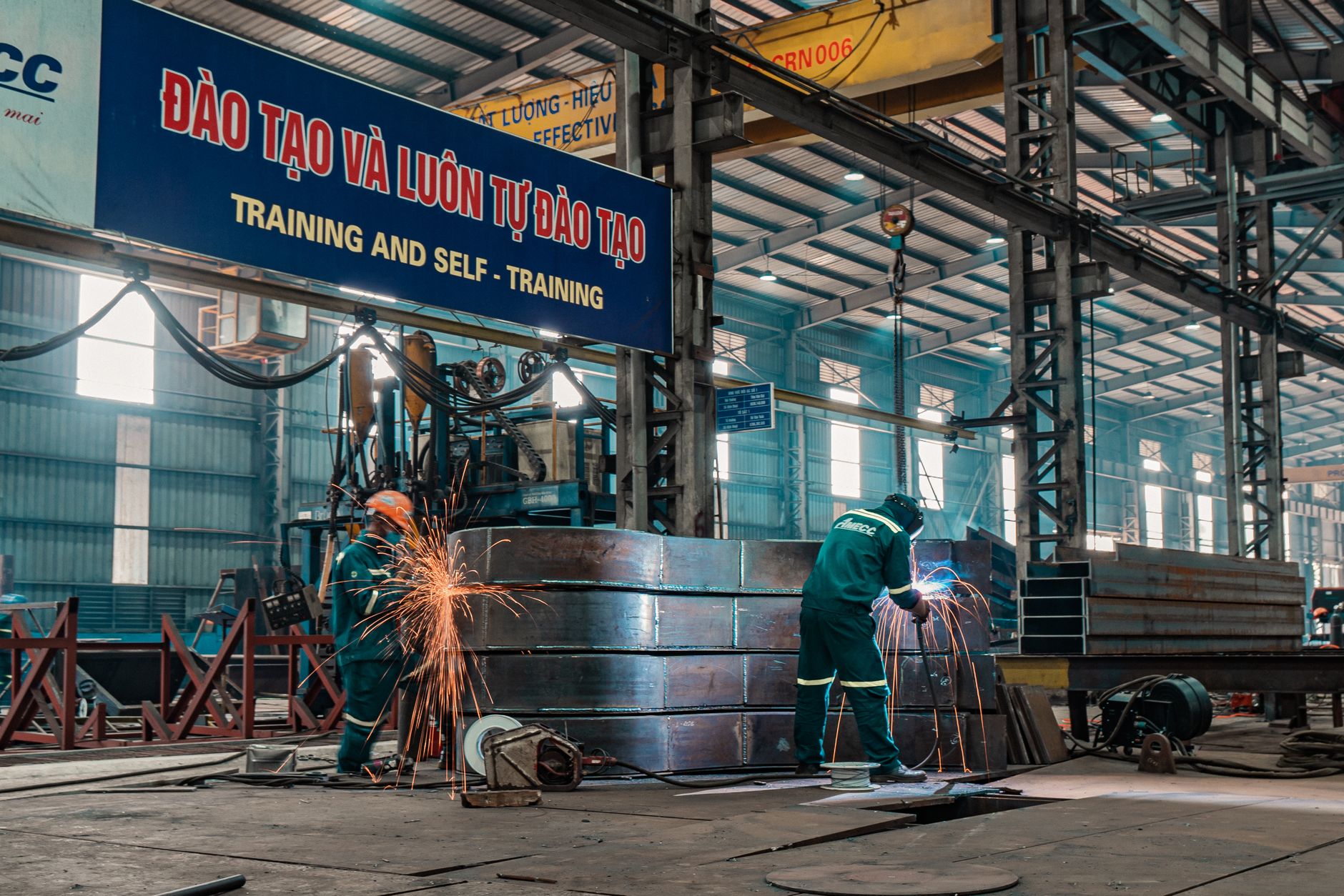
What is E-Invoicing (and Why Manufacturers Can't Ignore It Anymore)?
E-invoicing, at its core, refers to the electronic exchange of invoices between a supplier and a buyer in a structured, machine-readable format. This goes beyond simply sending a PDF via email; it involves a digital workflow where invoices are generated, transmitted, and received through integrated systems, often leveraging networks like Peppol. For manufacturers, this shift is monumental. It promises a significant reduction in manual data entry, fewer errors, and faster payment cycles. Imagine the efficiency gains when every single invoice from your suppliers is automatically logged and matched, and every invoice you send to customers is instantly recognized by their systems. This isn't just about going paperless; it's about creating an interconnected, transparent, and ultimately more efficient financial ecosystem that can drastically impact your bottom line.
The manufacturing sector, often characterized by complex supply chains and high transaction volumes, is particularly poised to benefit from (and be impacted by) the global push towards e-invoicing. Governments worldwide are increasingly mandating e-invoicing for B2B transactions, driven by desires for increased tax compliance and greater transparency. Ignoring this trend is no longer an option; it's a critical strategic decision. Manufacturers who fail to adapt risk not only non-compliance penalties but also being left behind by competitors who are embracing the streamlined processes and cost savings. Furthermore, embracing e-invoicing can significantly improve relationships with partners and customers, offering:
- Faster dispute resolution: With clear digital trails.
- Enhanced cash flow visibility: Through real-time data.
- Reduced operational costs: By automating repetitive tasks.
The time for manufacturers to integrate e-invoicing is now, to ensure they remain competitive and compliant in an increasingly digital global market.
Beyond Compliance: Practical Strategies for Manufacturers to Optimize E-Invoicing for Cash Flow
To truly unlock the cash flow benefits of e-invoicing, manufacturers must look beyond mere regulatory compliance and embrace a proactive, strategic approach. This involves integrating e-invoicing platforms seamlessly with existing ERP and accounting systems, minimizing manual data entry, and reducing errors that can delay payments. Furthermore, consider implementing advanced features like automated dispute resolution workflows and dynamic discounting portals. These tools empower your finance team to identify and address bottlenecks quickly, offer early payment incentives to customers, and, critically, gain real-time visibility into outstanding receivables. Such an integrated strategy transforms e-invoicing from a cost center into a powerful engine for working capital optimization.
Optimizing e-invoicing for cash flow also necessitates a focus on the entire order-to-cash cycle. Manufacturers should analyze their current invoicing processes to identify points of friction and opportunities for automation. This might include:
- Standardizing invoice formats to reduce rejection rates
- Automating invoice delivery and reconciliation
- Leveraging analytics to predict payment behaviors
- Implementing secure, cloud-based solutions for enhanced accessibility and collaboration