Understanding UAE E-Invoicing Regulations & Zoho's Role: Decoding Requirements and Key Features for Compliance
The United Arab Emirates (UAE) is rapidly modernizing its financial infrastructure, and e-invoicing is a key component of this transformation. While a federal mandate for business-to-business (B2B) e-invoicing isn't universally rolled out across all industries yet, specific sectors and free zones, such as the Dubai Healthcare City (DHCC) and certain government entities, have already implemented mandatory e-invoicing frameworks. Businesses operating within these jurisdictions must adhere to precise technical and data requirements, often involving specific XML formats like Peppol (though not exclusively) and digital signatures for authenticity and integrity. Understanding these nuanced regulations, including data fields, transmission methods, and archival requirements, is paramount for avoiding penalties and ensuring smooth financial operations. Companies preparing for broader mandates will benefit from proactive compliance.
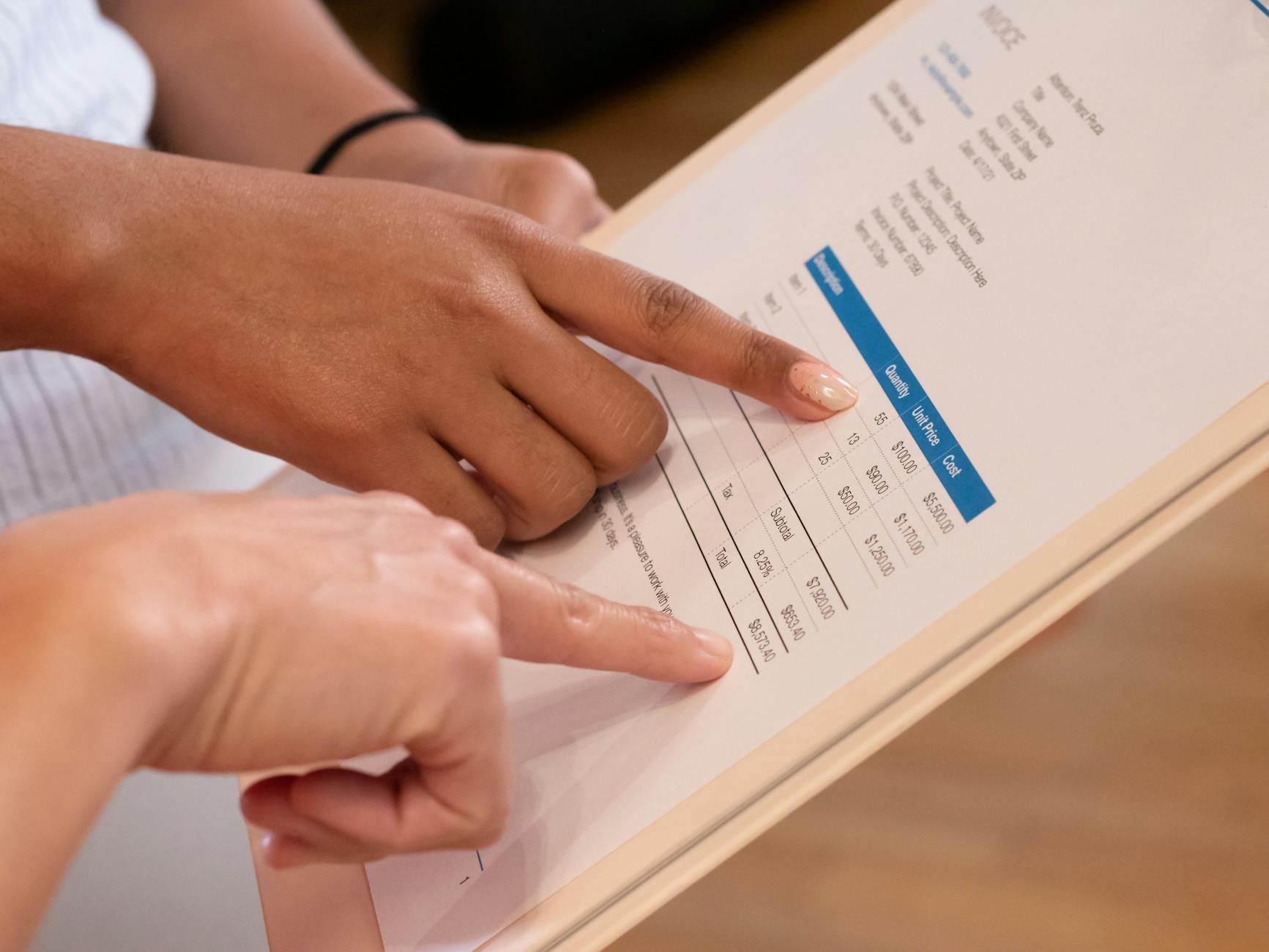
This is where solutions like Zoho Invoice and Zoho Books become invaluable for UAE businesses navigating the evolving e-invoicing landscape. Zoho's platforms are designed with flexibility and region-specific compliance in mind, offering features that streamline the entire invoicing process from creation to submission. Key functionalities include:
- Customizable Templates: Ensuring invoices meet specific regulatory data field requirements.
- Digital Signatures Integration: Facilitating secure and legally compliant document authentication.
- Multi-currency and VAT Support: Crucial for businesses operating within the UAE's tax framework.
- Audit Trails and Reporting: Providing a clear record of all transactions for regulatory scrutiny.
Zoho integration is essential for businesses seeking to streamline their operations and enhance productivity. By seamlessly connecting Zoho applications with other business systems, companies can automate workflows, centralize data, and gain a holistic view of their operations. Our expertise in Zoho integration helps businesses optimize their processes, improve data accuracy, and make informed decisions, ultimately driving growth and efficiency.
Implementing Zoho for UAE E-Invoicing: Step-by-Step Configuration, Best Practices & FAQs
Navigating the upcoming UAE e-invoicing mandate requires a robust and compliant solution, and Zoho offers a powerful suite of tools perfectly adaptable for this purpose. The initial configuration involves setting up your Zoho Books or Zoho Invoice account to align with FTA requirements, which often includes defining specific tax rates, currency settings, and establishing your TRN. A critical step is ensuring your invoice templates incorporate all mandatory fields as per UAE regulations, such as buyer and seller TRNs, clear item descriptions, and proper VAT breakdowns. Furthermore, consider integrating Zoho with your bank accounts and other financial systems to automate reconciliation and streamline your overall accounting process. Careful attention to data accuracy during this phase is paramount to avoid future compliance issues and ensure smooth transaction processing.
Beyond initial setup, optimizing your Zoho environment for ongoing UAE e-invoicing compliance involves implementing best practices and understanding common FAQs. Regular reconciliation of your sales and purchase invoices against your bank statements is crucial for maintaining accurate records. Leverage Zoho's reporting features to generate VAT reports that align with FTA submission requirements, making your quarterly filings significantly easier. For businesses dealing with cross-border transactions, understanding how Zoho handles different tax treatments for exports and imports within the UAE framework is vital.
"Proactive training for your team on Zoho's e-invoicing functionalities will minimize errors and maximize efficiency," experts often advise.Don't hesitate to utilize Zoho's extensive knowledge base and customer support for specific queries, especially as new regulations or clarifications emerge from the FTA. Regularly reviewing and updating your Zoho settings to reflect any changes in tax laws will ensure continuous compliance.