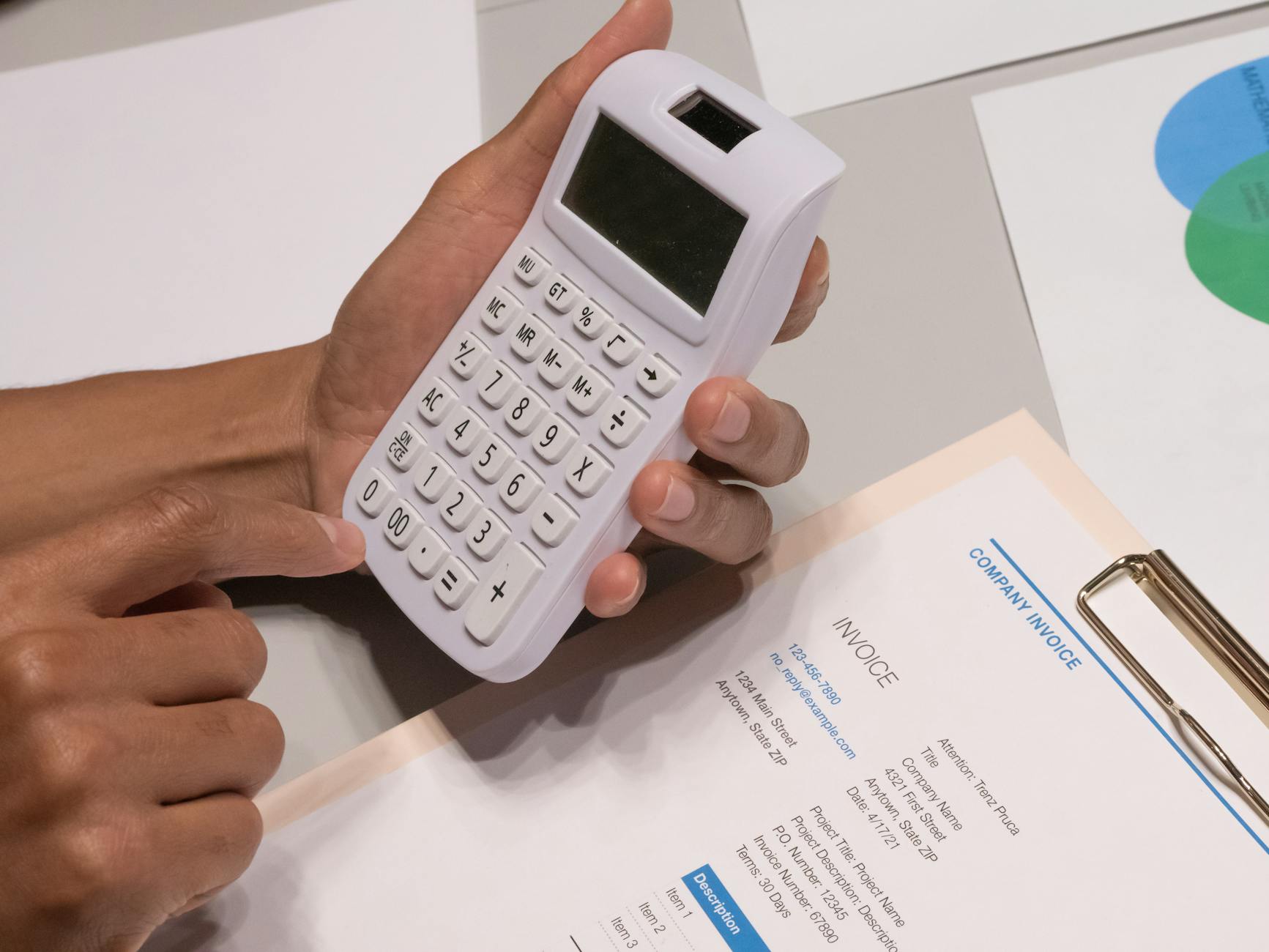
Navigating the E-Invoicing Landscape: From Compliance to Operational Efficiency (with Practical Tips and FAQs)
The transition to e-invoicing is no longer a distant future; it's a present reality for businesses worldwide, driven by evolving compliance mandates and the undeniable pursuit of operational excellence. Understanding this landscape means recognizing the dual imperative: meeting governmental regulations while simultaneously leveraging technology to streamline your financial processes. Many countries are introducing mandatory e-invoicing frameworks (e.g., Peppol in Europe, B2B e-invoicing in India), requiring businesses to adapt quickly. This often involves integrating new software solutions or updating existing ERP systems to facilitate the creation, transmission, and reception of invoices in structured electronic formats. Failing to comply can lead to significant penalties, making proactive engagement with these changes absolutely crucial for maintaining business continuity and avoiding costly disruptions.
Beyond mere compliance, the true power of e-invoicing lies in its capacity to unlock significant operational efficiencies. By automating the entire invoicing lifecycle – from generation and approval to delivery and archiving – businesses can drastically reduce manual errors, accelerate payment cycles, and free up valuable human resources. Consider these practical benefits:
- Reduced processing costs: Eliminating printing, postage, and manual data entry.
- Faster payments: Streamlined workflows lead to quicker invoice delivery and approval.
- Improved data accuracy: Automated systems minimize human error, leading to fewer disputes.
- Enhanced visibility and control: Real-time tracking of invoice status.
"Embracing e-invoicing isn't just about avoiding penalties; it's about strategically positioning your business for greater agility and sustained growth in a digital economy." - A leading financial expert.
Implementing a robust e-invoicing solution transforms your accounts payable and receivable departments from cost centers into engines of efficiency.
Understanding the difference between a traditional PDF invoice and an e-invoice is crucial for businesses navigating modern financial landscapes. While both serve the purpose of billing, their underlying structure and functionality differ significantly; learn more about pdf vs e-invoice. A PDF is essentially a digital image of an invoice, often requiring manual data entry, whereas an e-invoice is structured data that can be automatically processed by accounting systems, offering greater efficiency and accuracy.
Beyond the PDF: Understanding E-Invoicing Formats, Platforms, and What It Means for Your Business
While a scanned PDF might seem like an “e-invoice,” the reality of modern e-invoicing extends far beyond a simple digital image. True e-invoicing involves structured data, meaning the information within the invoice (like vendor, amount, line items, and tax) is machine-readable and can be automatically processed by accounting systems. This eliminates manual data entry, significantly reducing errors and processing times. Key formats include XML-based standards like UBL (Universal Business Language) and Factur-X, and government-mandated formats such as PEPPOL BIS. Understanding these underlying structures is crucial for businesses aiming to automate their accounts payable and receivable. It's not just about sending a digital file; it's about sending intelligent data that your systems, and your trading partners' systems, can instantly understand and process.
The proliferation of various e-invoicing formats has led to the development of sophisticated platforms designed to facilitate seamless exchange. These platforms act as intermediaries, translating between different formats and ensuring compliance with local regulations. For your business, this translates into several tangible benefits:
- Increased Efficiency: Automated matching and reconciliation of invoices.
- Reduced Costs: Lower printing, postage, and manual processing expenses.
- Enhanced Accuracy: Minimizing human error in data entry.
- Improved Compliance: Adherence to growing e-invoicing mandates globally.