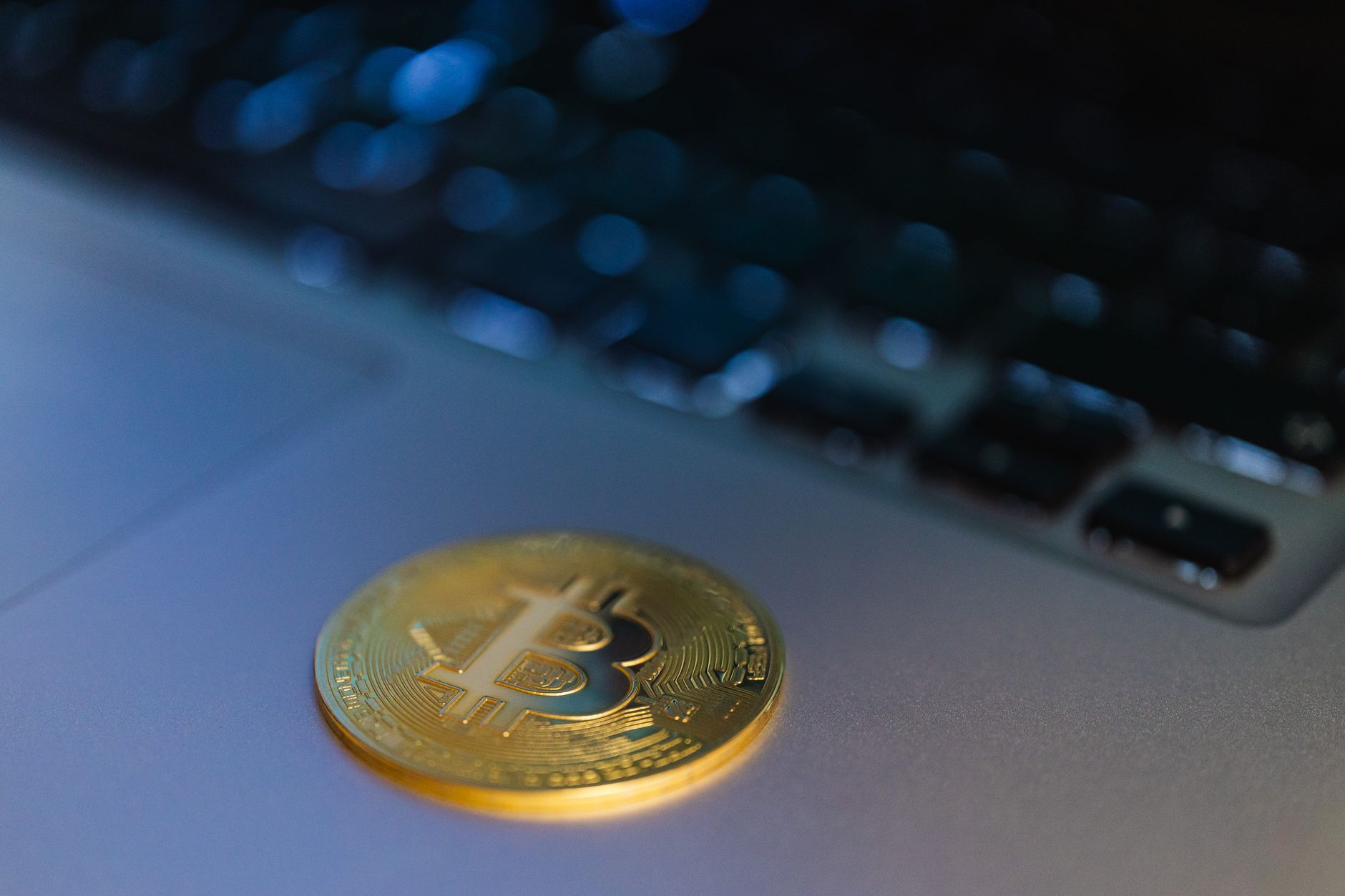
How Blockchain Ensures Fair Play: From Provably Fair Algorithms to Immutable Records
Blockchain technology fundamentally redefines fairness in digital environments, particularly through its integration of provably fair algorithms. These algorithms leverage cryptographic hashing and random number generators, allowing users to independently verify the integrity of outcomes. Before a game or transaction occurs, a server seed and a client seed are combined and hashed. The resulting hash is then revealed, and the game outcome is determined based on this pre-established, verifiable value. This transparency eliminates the need for trust in a central authority, as players can
- verify the randomness of the outcome
- confirm the server's adherence to the algorithm
- ensure no manipulation occurred after the fact
Beyond provably fair algorithms, the inherent immutability of blockchain records plays a crucial role in ensuring fair play. Once a transaction or event is recorded on the blockchain, it cannot be altered or deleted, creating an unchangeable audit trail. This immutability provides an unprecedented level of transparency and accountability.
Every action, every outcome, and every participant's interaction is permanently logged and accessible to all network participants, preventing any retrospective manipulation or dispute.This means that in scenarios ranging from voting systems to supply chain management, the integrity of the data is guaranteed. The combination of verifiable algorithms and immutable records establishes a robust framework for trust, fostering environments where fair play isn't just promised, but cryptographically enforced.
Step into the exciting world of a crypto casino, where you can experience cutting-edge gaming and the thrill of digital currencies. These innovative platforms offer a secure and anonymous way to gamble, often featuring a wide array of games from slots to live dealer experiences. Enjoy the benefits of fast transactions and provably fair gaming that blockchain technology brings to the online casino industry.
Placing Your First Decentralized Bet: A Step-by-Step Guide & Answering Your Top Questions
Embarking on your first decentralized bet might seem daunting, but with a clear roadmap, it's an exciting leap into the future of gambling. The initial steps involve selecting a reputable decentralized betting platform – look for those with strong community reviews, transparent smart contracts, and a wide range of betting markets. Next, you'll need a compatible cryptocurrency wallet (like MetaMask or Trust Wallet) to store your chosen cryptocurrency, typically Ethereum or a stablecoin. Ensure your wallet is funded and connected to the platform. Always prioritize security: double-check URLs, enable two-factor authentication, and never share your seed phrase. Understanding the platform's user interface and betting mechanics, including how odds are displayed and payouts calculated, is crucial before placing any wagers. Take your time to familiarize yourself with the environment.
As you navigate placing your first bet, several questions often arise.
"How do I know my funds are safe?"Decentralized platforms rely on smart contracts, code that automatically executes based on predefined rules, eliminating the need for a central authority to hold your funds. This transparency is a key security feature.
"What if I have an issue with my bet?"Dispute resolution on decentralized platforms often involves community governance or predetermined smart contract conditions, providing an impartial framework.
"Are there any fees involved?"Yes, you'll typically encounter network transaction fees (gas fees) associated with blockchain interactions, which vary depending on network congestion. Researching these costs beforehand can help manage expectations and avoid surprises. Understanding these aspects will empower you to place informed and confident decentralized bets.